
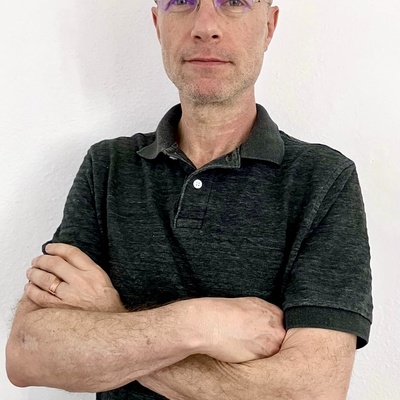
Ilán Lieberman
CDMX, Mexico
CommonTime user since Sep 2026
 Drawing
+ 2 more professions
Pencil, Pen and Ink, India Ink (with brush), Color pencils
 25+ Years Experience
 English
Hebrew
Spanish
Profession and Specializations
Drawing
Specialisation: Pencil, Pen and Ink, India Ink (with brush), Color pencils
Filmmaking
Specialisation: Documentary, Editing
Painting
Specialisation: Oil, Acrylic, Watercolor
Artist Statement
My pedagogical approach is based on a fundamental premise: everyone has the capacity and talent to draw and paint, regardless of their prior experience. You don't need a technical foundation, but rather a new, expanded perspective on what drawing and painting can be. By starting without expectations, through practical exercises that reveal skills you didn't even know you had, the process leads you organically to discover your own capabilities alongside the very possibilities of art.
My artistic practice unfolds as a processual investigation into the threshold, the invisible, perception, memory, and the dynamics of appearance and concealment. Rather than adhering to a single medium or style, my work operates as a tracking device that moves between drawing, painting, social and audio archives, documentary research, and altered states of perception.
At the core of this pursuit lies a constant question about presence, the structure of reality and absence: how to make visible that which has been erased, forgotten or confined to the intangible? This concern manifests in three intimately interconnected dimensions:
Social archive and affective memory: Long-term projects where art functions as an act of restitution and resistance against loss, using documents, press materials, or film to recompose fragmented human and historical geographies.
Intuitive and oneiric research: Series such as Dream Works and Psychological Time, in which dreams and meditation exercises operate as methods of extrasensory perception and recollection. In these, I act as a receiver or archivist of images that emerge from the shadow of the unconscious to be translated into matter.
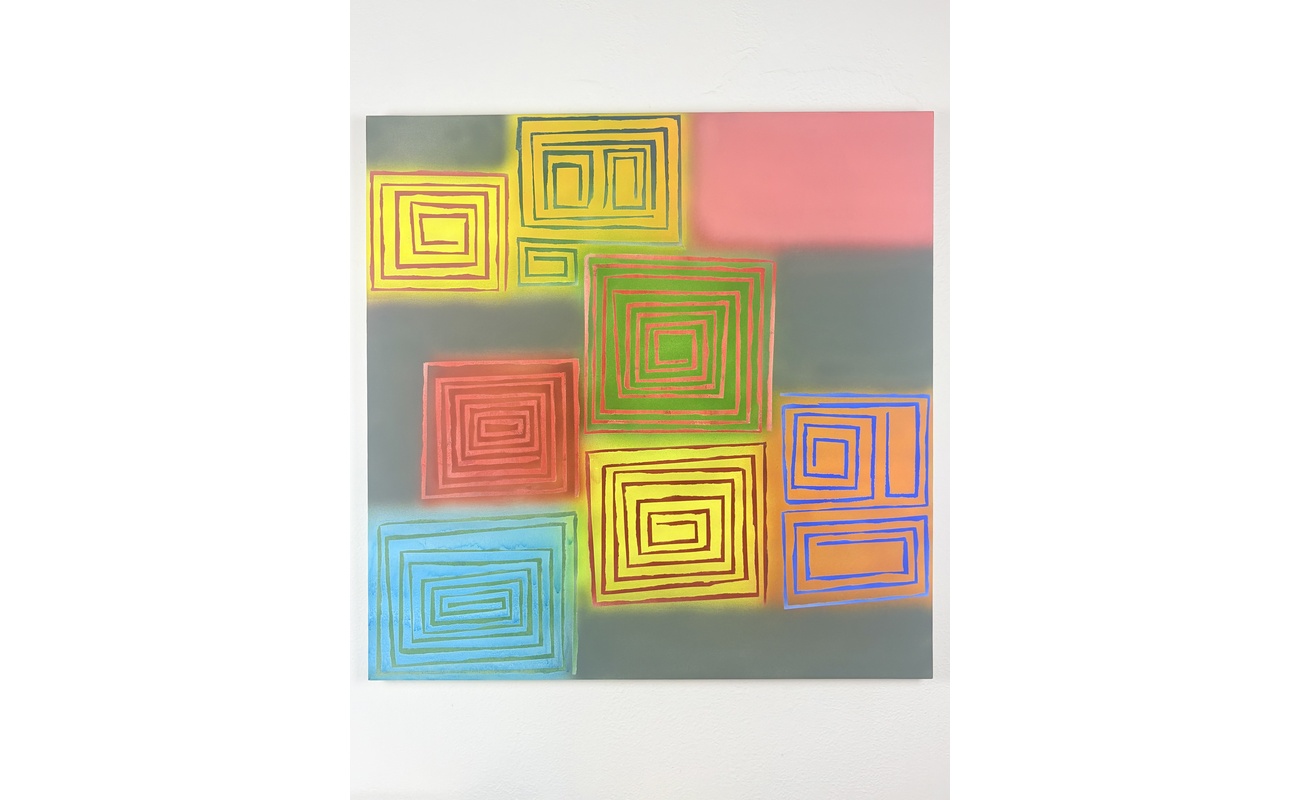
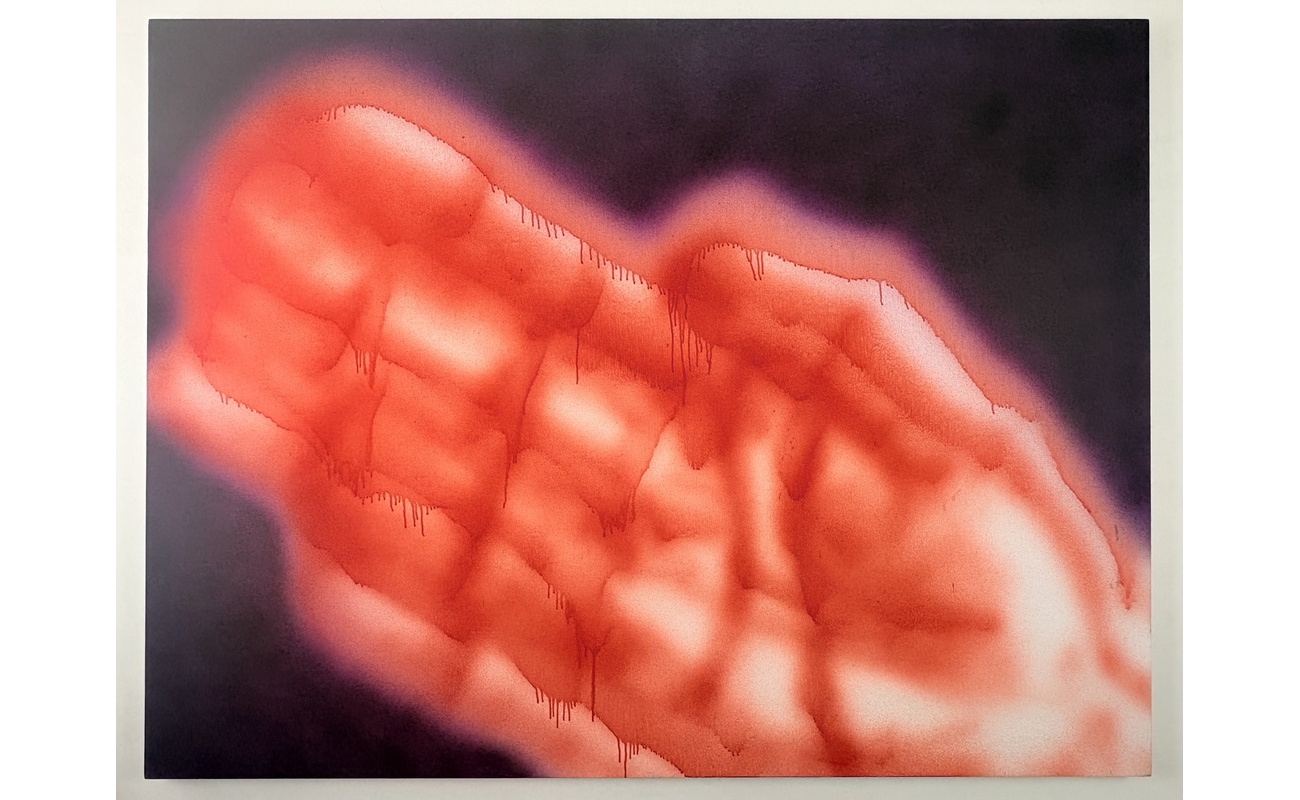
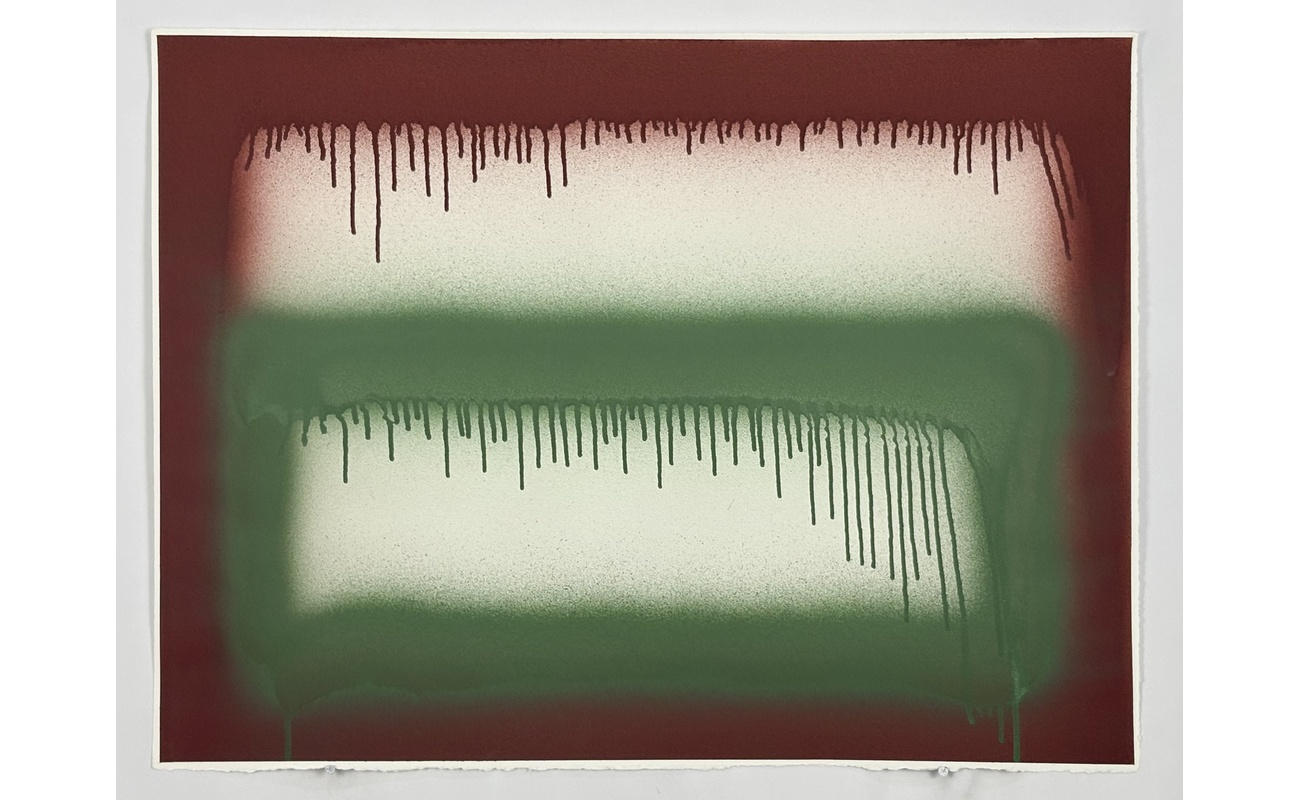
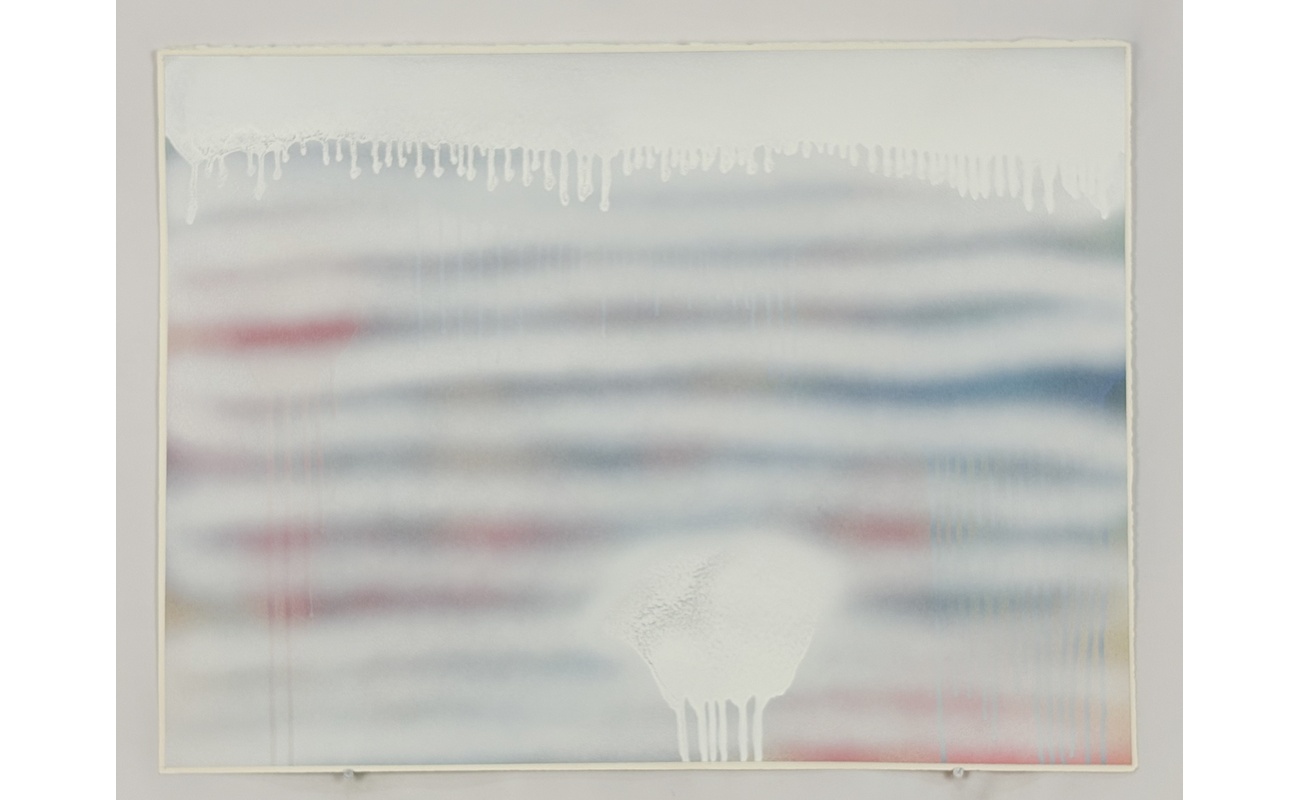
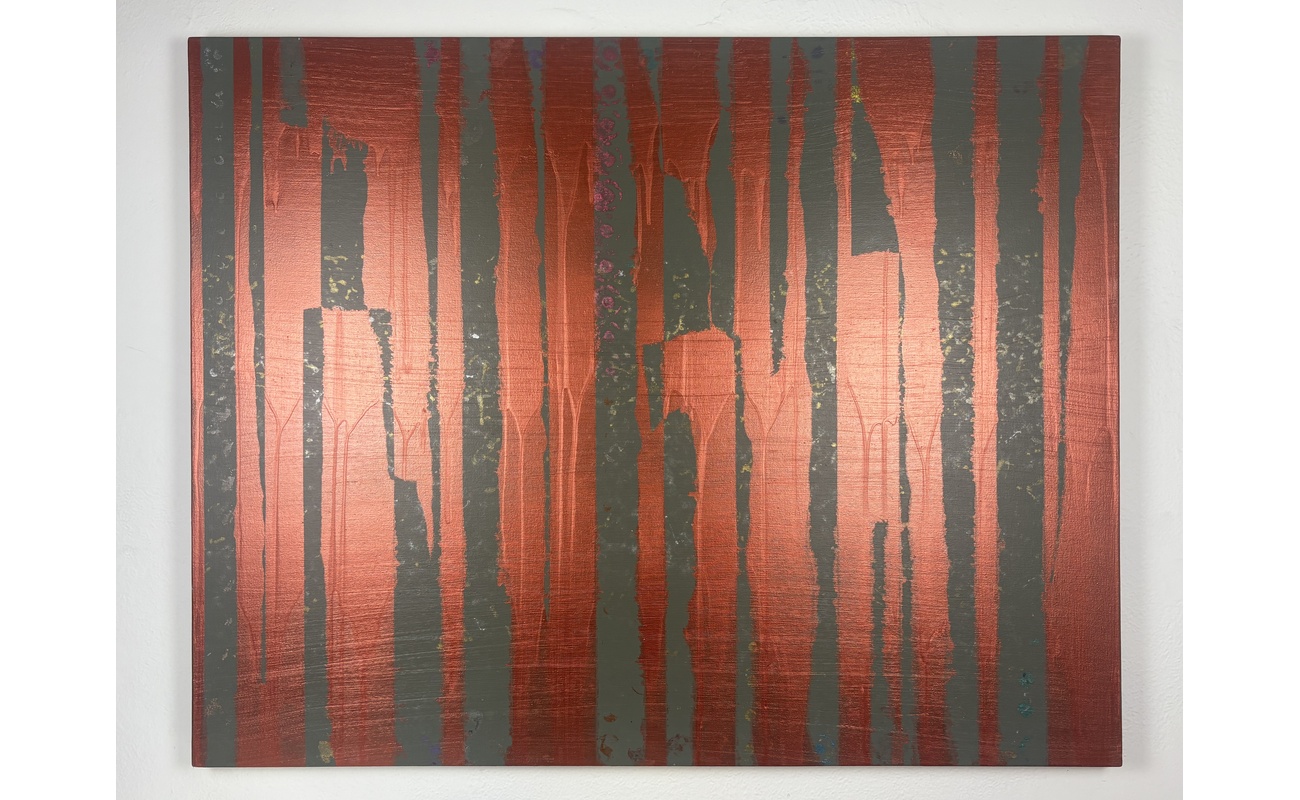
Painterly research and the structure of vision: An inquiry situated between drawing and painting that addresses the very construction of reality. On one hand, through the study of patterns, grids, and chromatic schemes based on primary and complementary colors, where the activation of an initial pattern encompasses space to create essential structures analogous to how we perceive the world through our senses. On the other hand, in my recent abstract painting developed with airbrush and masking tape, the search shifts toward the limits of the visible, the invisible, and the unpredictable. Through glazes, pulverized pigments, and masked edges, painting functions as a state of suspension where one image hides behind another, articulating the pictorial process as a space of mourning, memory, and reconnection with a contemplative dimension that invites the spectator to look into the shadow.
The common thread of my career does not lie in technical uniformity, but in a single methodological and ethical attitude toward images. Each project demands its own syntax; the choice of medium—whether the meticulous line, the expanded grid, the pulverization of air, field recording, or the sketch of a dream—always responds to fidelity with the enigma I pursue: to point out the trace, to explore the mechanisms of perception, and to inhabit the thresholds where the invisible insists on revealing itself.
Planned Lessons
One or more lessons in which the artist works with you toward a specified goal. You choose the date and time of each lesson before booking.
Ilán Lieberman
$400
60 minutes x 10 Lessons
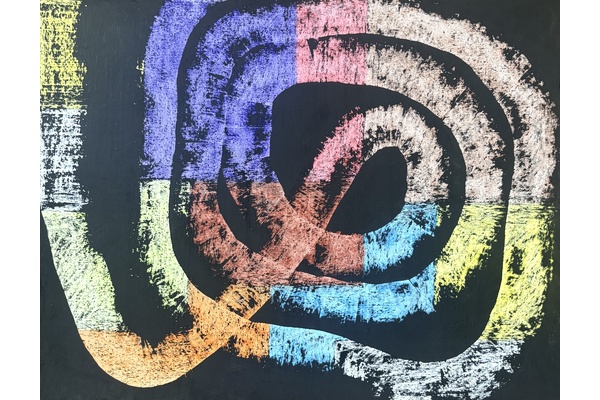
Drawing workshop designed especially for children, where they will learn the basic elements of drawing (line, shape, volume, space, and light) through games, stories, and …
Classroom Lesson
Drawing
 6-8
8-10
English
Hebrew
Spanish
Build A Lesson
Create your own custom lesson with the artist. Using the form below, indicate the lesson parameters that suit you or your learners’ needs. If you would like to accomplish something specific in your lesson, you may include it in Learning Goals and Outcomes. You choose the date and time of each lesson before booking.
All times are shown in the UTC timezone by default. When you log in or create an account, all times will match your chosen timezone.
Lesson Summary
Ilán Lieberman
Lesson Type:
Lesson Duration:
No. of Lessons:
Profession:
Skill Level:
Age Group:
Selected Slots:
Lesson Total
$0
Events
This artist currently has no Events or Pre-recorded Videos.
No Reviews Yet